Fruity, bitter, and peppery notes reveal the character of each oil. A few simple steps can help you recognize its aromas, intensity, and distinctive qualities.
Tasting extra virgin olive oil is not an experience reserved for experts. With a small glass and a few moments of attention, anyone can begin to recognize its aromas and the sensations it creates on the palate.
Every oil tells a different story. The olive variety, growing region, climate, harvest time, and production process all shape its sensory profile. Some oils are smooth and delicate, while others are more intense, herbaceous, bitter, or peppery.
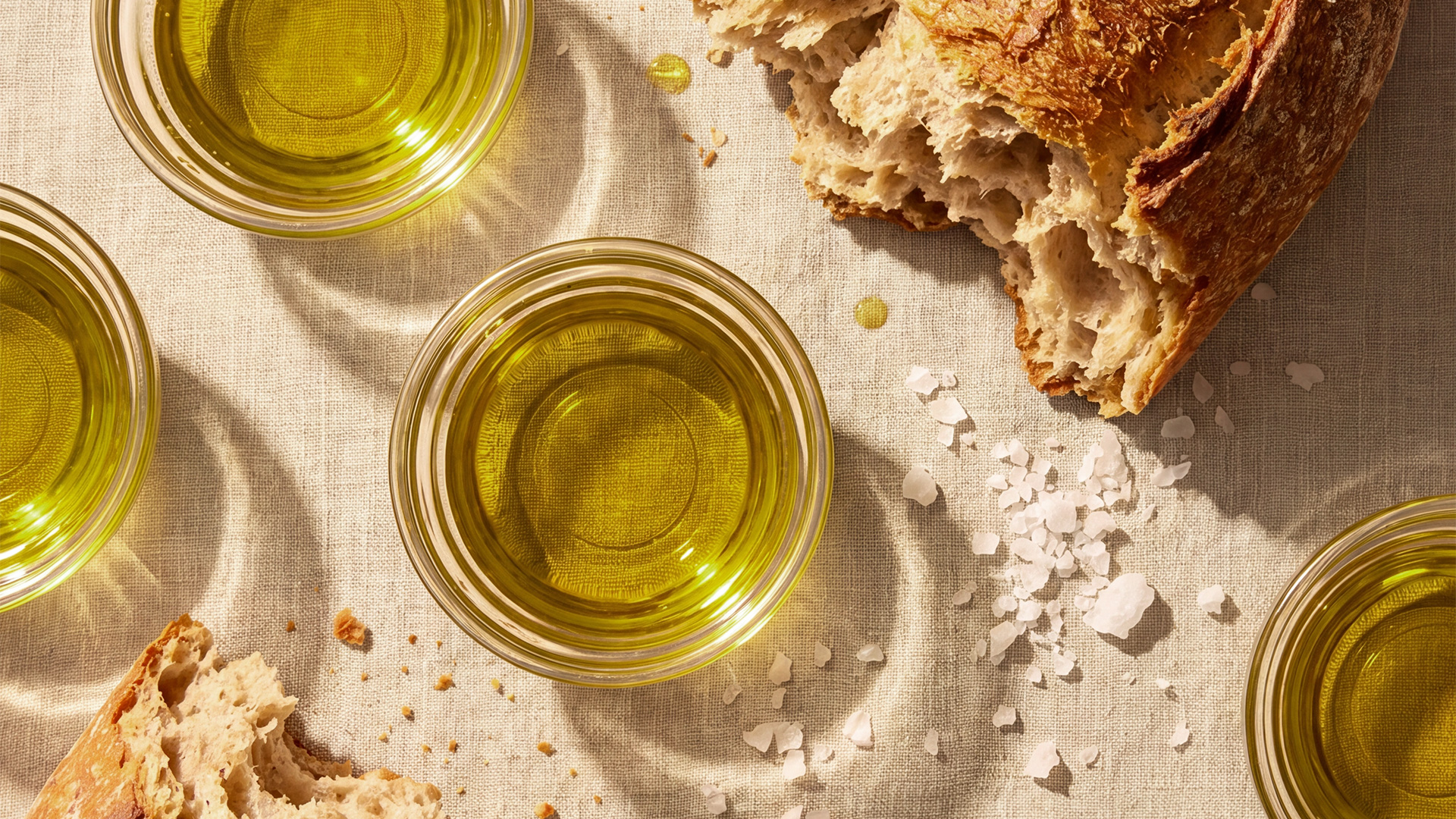
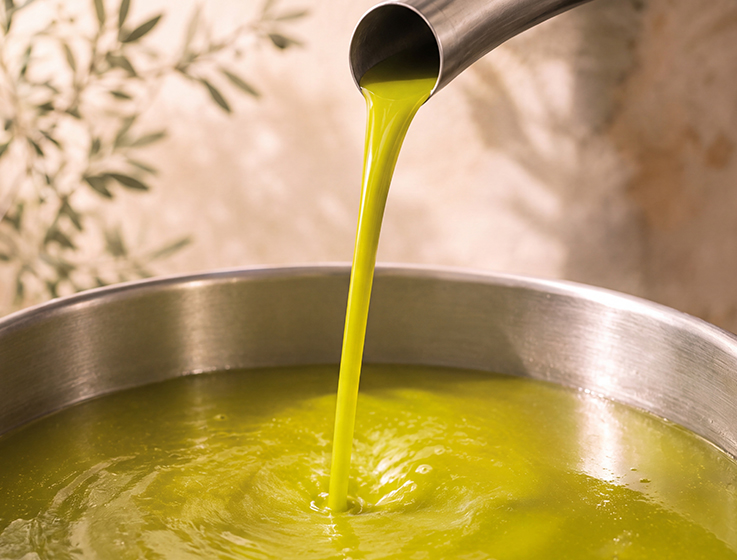
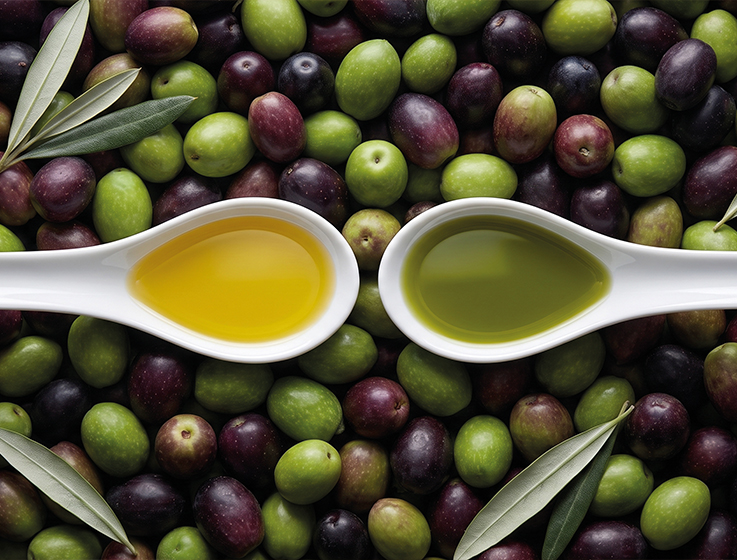
To begin, pour a small amount of olive oil into a clean tasting glass. Try not to let the color influence your judgment: a green oil is not necessarily better than a golden one. Color depends on several factors and, by itself, is not an indicator of quality.
Hold the glass in the palm of one hand and cover it with the other, gently swirling the oil. The warmth helps release its aromatic compounds. Bring the glass to your nose and notice the fruitiness, the combination of aromas associated with healthy, fresh olives. Depending on the oil, these may recall freshly cut grass, leaves, artichoke, tomato, almond, or riper, softer notes.
Next comes the tasting. Take a small sip, let the oil coat your entire mouth, and gently draw in a little air through your teeth. This technique helps carry the aromas toward the nose from inside the mouth, making them easier to identify.
At this stage, you may notice bitterness and pepperiness, both considered positive qualities in extra virgin olive oil. Bitterness is often more noticeable in oils made from green olives or fruit harvested early in the ripening process. Pepperiness appears as a tingling sensation in the mouth or throat and is often more pronounced in fresh oils rich in phenolic compounds.
These qualities, however, are not equally intense in every oil. Olive variety, ripeness, and production methods can create bold, structured oils or gentler profiles in which bitterness and pepperiness are barely noticeable. A delicate oil is not necessarily of lower quality than a more powerful one.
Fruitiness, bitterness, and pepperiness do not need to appear in a fixed order, either. What matters most is the overall balance of aroma, flavor, and texture, along with the absence of sensory defects.
The best way to train your palate is to taste different oils side by side. Over time, it becomes easier to recognize their individual qualities, understand which profiles you prefer, and choose the right oil for different dishes and cooking styles.
Tasting olive oil means giving it the same care and attention we reserve for other great products of Italian food culture. It is a simple way to better understand an ingredient that is part of our everyday table.